Liverpool or Manchester for a Solo Weekend
A practical guide to Liverpool or Manchester for a Solo Weekend.

How the two cities feel on the ground
Liverpool and Manchester sit just 47 minutes apart by rail, yet they deliver two distinct weekends. The choice matters most for a solo traveller because the rhythm of each city shapes where you linger, how easily you meet people and what your downtime looks like between sights.
Liverpool is compact and largely flat. The walk from the waterfront to Lime Street station takes about 20 minutes, and nearly all main sights sit within a 30-minute walk of each other. That geography rewards an unplanned afternoon. You can drift from a gallery to the docks and back to a cafe without consulting a map or buying a tram ticket. For a solo visitor who wants to feel oriented quickly, that small footprint removes a layer of decision fatigue.
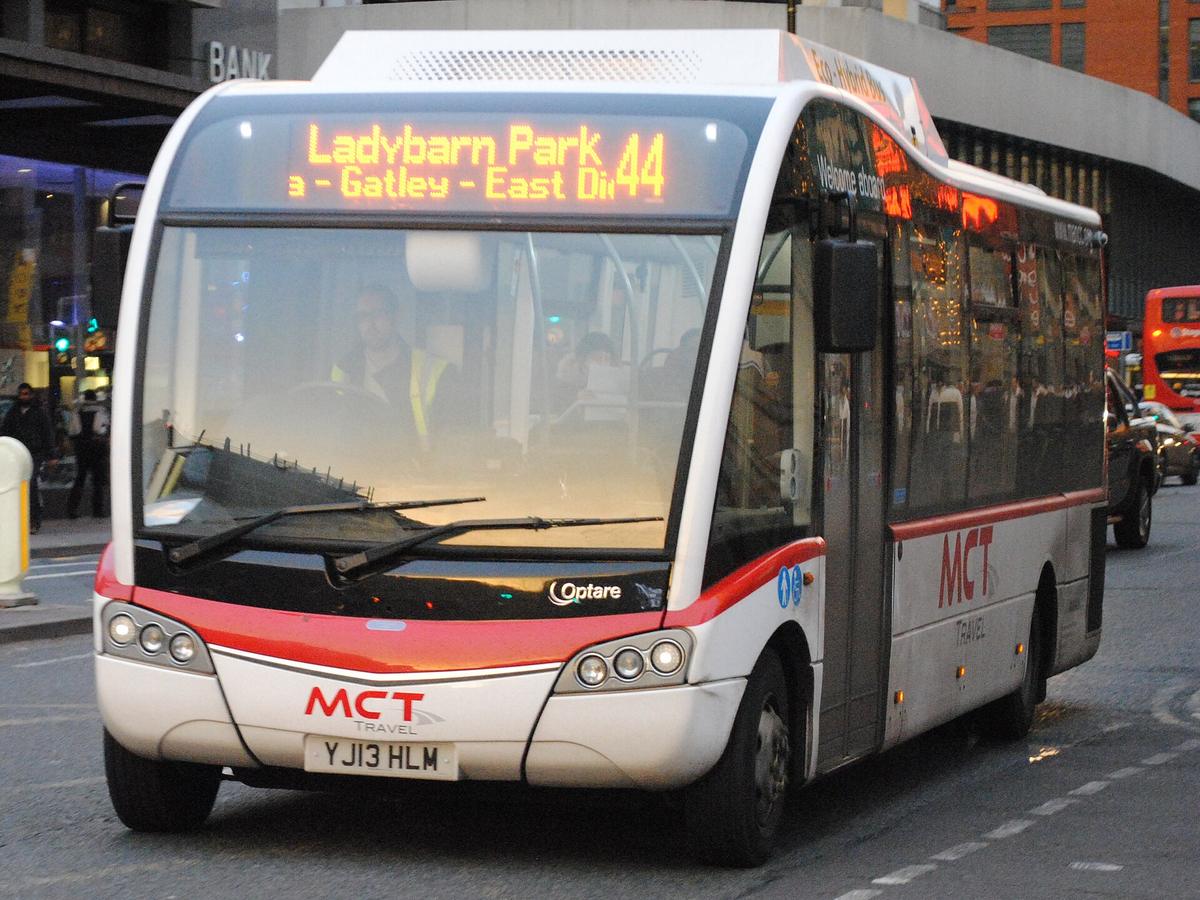
Manchester is also walkable but more spread out. The city centre stretches further, and the Metrolink tram system connects the wider area. Free city-centre buses also operate. That extra infrastructure means you can reach more neighbourhoods in a day, but you will need to learn a route or two. The tradeoff is variety: a morning in one district and an evening in another feels natural here in a way that requires more planning in Liverpool.
Arriving into each city
Your first hour sets the tone, so arrival logistics matter. Liverpool Lime Street station has direct trains from London Euston with a fastest journey time of 2 hours 13 minutes. If you are flying, Liverpool John Lennon Airport is approximately 7 km south of the city centre. The Arriva 500 bus runs between the airport and Liverpool ONE bus station every 30 minutes, from 4am to midnight daily. Check the current fare on the Merseytravel website before you travel, because it can change.
Manchester Piccadilly station has direct trains from Manchester Airport taking 13 to 22 minutes. The Anytime Day Single fare is published, but fares and timetables are subject to change; confirm the price and schedule on the National Rail journey planner. If you are arriving from London, train times and fares vary by operator, booking date and time of travel, so the same planner is your most reliable check.
For a solo weekend that starts with minimal friction, Liverpool's single bus route from the airport is simple to remember. Manchester's train link from the airport is faster on paper, though you will want to check the timetable against your flight arrival time.
What you can see for free right now
Both cities offer free museums and galleries, but the list of what is actually open in 2025 differs sharply. In Liverpool, the Merseyside Maritime Museum and the International Slavery Museum at Royal Albert Dock closed on 5 January 2025 for a major redevelopment and are not due to reopen until 2029. Tate Liverpool's dock building is also closed for redevelopment; the gallery operates from RIBA North on Mann Island, open daily 10:00 to 17:50 with free admission. The Museum of Liverpool, Walker Art Gallery and World Museum are all free to enter and open Tuesday to Sunday, 10am to 4pm in winter hours from 2 November, closed Mondays except during school holidays.
In Manchester, the Science and Industry Museum is open daily 10am to 5pm with free general admission, though the Air and Space Hall is permanently closed and some buildings are closed for restoration. Manchester Art Gallery is free, open Tuesday to Sunday 10am to 5pm, with late opening until 9pm on Wednesdays. The John Rylands Library on Deansgate is free and open Wednesday to Saturday, 10am to 5pm with last entry at 4:40pm, closed Sunday to Tuesday.
For a solo visitor, the practical difference is rhythm. Liverpool's free museums cluster around the waterfront and are walkable in a single sweep, but two major draws are unavailable until 2029. Manchester spreads its free culture across a wider area, and the Wednesday late opening at the art gallery creates a natural evening anchor that Liverpool's current hours do not match. Check each venue's page before visiting, because opening hours change seasonally and over Christmas holidays.
Moving between the two cities
You do not have to choose one city and stick to it. Direct trains connect Manchester Piccadilly and Liverpool Lime Street with a fastest journey time of around 47 minutes, and up to 69 trains per day run on this route. That frequency means a day trip in either direction is realistic without an early start or a late return.
If you base yourself in one city and visit the other for a day, the decision hinges on what you want from your home base. Liverpool's compact centre makes it easier to pop back to your accommodation between sights. Manchester's tram network gives you more ground to cover in the evening if you stay there overnight. Either way, check train times on the National Rail journey planner, because frequencies and journey times vary by operator and time of travel.
Choosing based on your solo style
If your ideal solo weekend means walking everywhere, keeping logistics simple and spending most of your time near water, Liverpool fits the sourced facts more closely. The city's flat, tight geography and the concentration of free museums around the waterfront reduce the need for transport decisions. The closure of the Maritime and Slavery museums until 2029 narrows the museum list, which can be a relief if you prefer fewer choices rather than more.
If you want a weekend with more neighbourhood variety, later evening culture and a city that feels larger, Manchester aligns better. The Wednesday late opening at Manchester Art Gallery gives you a free evening activity that Liverpool's current schedule does not offer. The tram and free bus network let you reach districts that are too far to walk, which suits a solo traveller who enjoys exploring beyond the core.
This is editorial advice, not a measured ranking. The facts show two well-connected cities with different spatial and cultural footprints. Your preference for compact versus spread-out, and for waterfront calm versus neighbourhood variety, is the real tiebreaker.
Sources and verification
- nationalrail.co.uk — Research source checked for this guide
- localsride.com — Research source checked for this guide
- merseytravel.gov.uk — Research source checked for this guide
- eastmidlandsrailway.co.uk — Research source checked for this guide
- liverpoolmuseums.org.uk — Research source checked for this guide
- findingtheuniverse.com — Research source checked for this guide
Read next
-

 England
When a flight is more trouble than it is worth, England's rail network delivers solo two-night weekends without the airport, priced Friday to Sunday.
-
 Late Arrival Solo Travel in the UK A Station to Hotel Plan
A practical guide to Late Arrival Solo Travel in the UK A Station to Hotel Plan.
-
Eating Alone on a City Break Without Hiding Behind Your Phone
A practical guide to Eating Alone on a City Break Without Hiding Behind Your Phone.
-
A Solo Rail Weekend Through York Durham and Newcastle
A practical guide to A Solo Rail Weekend Through York Durham and Newcastle.
-
 Your First Solo Trip from a UK Airport What Actually Happens
The step-by-step reality of a first solo weekend trip from a UK airport, using London as the worked example, from Friday departure to the Sunday return.
-
 How to Plan Two Nights in London So It Does Not Feel Like Four Hours
A two-night London solo trip works when you assign one district per half-day, book one timed entry maximum, and let the gaps fill themselves.
-
 The London Single Supplement and How Much Going Alone Actually Costs
A London hotel room priced per person assumes two guests. Going alone means paying the single supplement, and the gap is wider on Friday and Saturday nights.
-
 What UK Solo Travellers Should Actually Know About European Budget Flights
What UK solo travellers actually need to know before booking a budget European flight — airport trade-offs, aircraft types, and solo-specific charges explained.
-
 Staying Connected in Europe on a Solo Weekend Break Without the Roaming Bill
Post-Brexit roaming fees are back and biting. Honest breakdown of local SIMs, network charges, and eSIM for a 48-hour European trip.