Solo Hotel Rooms in London from Pods to the Sunday Discount
London hotels assessed for solo travellers: pod rooms, genuine singles, and the Sunday night rate dip that a Friday-to-Sunday trip can exploit.
The Solo Hotel Booking Calculation
The assumption most solo visitors bring to London is that the problem is the single supplement. It is not. The real problem is that nearly every hotel in the city prices by the room, not by the person. You pay the same for a double bed whether you sleep alone or with a partner. You are subsidising a second guest who never arrives. The single supplement conversation is a distraction. What matters is finding rooms that were never designed for two people in the first place, and then using the weekday-weekend inversion to cut the cost further.
The London hotel market has produced a specific solution: the pod room and the space-efficient hotel. These are rooms between 6 and 15 square metres with a double bed, an en suite shower, free WiFi, air conditioning and a workspace ledge. They do not include a wardrobe, a desk, a minibar, a phone or a view. The tradeoff is spatial, not qualitative. You sleep well, you shower efficiently, you store the bag under the bed, and you spend the rest of your time outside. For a solo visitor arriving Friday evening and departing Sunday, that tradeoff is almost always the right one.
The Sunday rate changes the calculation in a way most visitors do not anticipate. London hotels drop their rates on Friday and Saturday nights because business travellers go home and leisure demand fills the gap. The inversion runs 20 to 50 percent cheaper on the weekend versus Tuesday or Wednesday in central London. Fly in Friday afternoon and out Sunday evening, and you book the two cheapest nights of the week. A solo visitor who books a pod room for Friday and Saturday exploits a double advantage: a room priced for one combined with a rate discounted for the weekend.

.jpg)
Pod Rooms, Compact Rooms and the Single Room Survivors
Who Runs the Pod and Compact Sector
The major pod operators in London are YOTEL, Z Hotels, hub by Premier Inn, citizenM, Point A Hotels and easyHotel. Their rooms measure 6 to 12 square metres for pods, 10 to 15 for the larger layouts. The bed is a double, not a single. That matters. A single bed in a 6-square-metre box feels like a hostel capsule with a private bathroom. A double bed in the same space feels like a small hotel room. The distinction is psychological and it determines whether you wake up feeling cramped or efficient.
The Genuine Single Room Operators
Z Hotels and Point A are the two chains that operate a genuine single room model. Z Hotels sells windowless interior rooms at a lower price than its exterior ones, and those rooms work perfectly for one person who uses the room only to sleep. Point A sells compact double rooms for single use with no supplement at all. The rest of the chain economy brands, Premier Inn, Travelodge, Ibis Budget, price per room and offer no single discount. You book a double, you pay the double rate, you use one pillow. That is not a penalty. It is the London pricing structure. Accept it or work around it.
When to Lock In the Booking
Book four to eight weeks ahead for the chain hotels. That window yields the best combination of availability and advance-purchase non-refundable discounts of 10 to 20 percent off the flexible rate. Booking later than two weeks out risks events. Chelsea Flower Show in May, Wimbledon in July, London Fashion Week in February and September, Frieze in October, New Year's Eve. These events spike central London rates and sell out pod rooms first because pod rooms carry the lowest absolute price and get snapped up by budget-constrained solo visitors. Do not arrive hoping for a last-minute deal. Surge pricing and sold-out inventory are real.
How the Sunday Night Rate Changes the Friday to Sunday Trip
Book a pod or compact room for Friday and Saturday night. The Sunday rate is irrelevant for the checkout. What matters is that the Thursday night you are not booking and the Tuesday night you are not booking are the expensive ones. Flying in on a Friday afternoon and out on a Sunday evening books the two cheapest consecutive nights of the week in central London. That is the mechanism. You do not need to stay Sunday to exploit the Sunday rate. You exploit it by avoiding the Monday-to-Thursday business traveller premium altogether.
The low season runs January and February, excluding half-term weeks. Shoulder season is March, April, October and November. High season is May through September and the pre-Christmas period. The discount on those Friday and Saturday rooms shrinks in high season because leisure demand pushes both weekend and weekday rates upward. But the inversion still holds. A Tuesday in July is more expensive than the Friday of the same week, even at peak. The spread narrows to 20 percent instead of 50 percent, but it does not disappear.
The solo constraint is simple. You bear the entire room cost alone. Any room priced for one person eliminates the psychological tax of paying for an empty second bed. The pod operators and the single-room specialists are the only segments of the London hotel market that address this directly. Everything else is a standard double room that you happen to occupy alone. The industry does not discount for that because it does not need to. The city has enough demand from couples and business travellers to fill those rooms at the double rate. The solo market is a niche that the pod operators have identified and serve deliberately.
Cost Bands by Season with the Booking Mechanism
Low Season: January and February
The cheapest pod rooms, easyHotel and the windowless Z Hotels interior rooms, fall into the lowest band during these months. Book direct via the hotel website or use Booking.com and Expedia for comparison. UK law requires the total price including all non-optional charges to be displayed upfront. There are no resort fees in London. The advertised rate is the room charge including the 20 percent VAT, which must appear in the displayed total for consumer bookings. The rule mandating upfront display of the total price remains in force.
Shoulder Season: March, April, October, November
The same pod rooms shift upward by roughly the inversion spread you would have gained anyway. The Friday and Saturday rates remain lower than midweek. The advance-purchase non-refundable discount still applies. Book four weeks ahead, not eight. Shoulder-season demand is less aggressive and you gain flexibility.
High Season: May Through September and Pre-Christmas
The pod rooms command their highest absolute prices. The weekend discount narrows. The booking window compresses to four weeks because earlier bookings lock the rate before summer demand pushes inventory into dynamic pricing. You pay more. The condition of the room does not change. The same 8-square-metre box that cost one rate in January costs more in July. You absorb that entirely. There is no second person to split the increase.
Do not book the week between Christmas and New Year. Public transport shuts down on 25 December, runs a skeleton service on 26 December, and the city is packed with holiday shoppers and visitors facing closed attractions and inflated hotel rates. The pod rooms sell out at premium rates. The inversion inverts. That week is the one exception to the weekend discount rule and it punishes solo visitors harder than anyone.

.jpg)
The Sunday Evening Departure and the Honest Caveat
The honest caveat is this. A pod room solves the spatial problem and the weekend inversion solves the pricing problem, but neither solves the fatigue problem. London is a sprawling collection of villages. The distances between the Tower of London, the British Museum and Buckingham Palace are deceptive. Each demands three hours minimum. Trying to see all three in one day means you spend the day on the Tube and achieve nothing but exhaustion. You have no partner to share the load, no second opinion on which museum to skip, no one to hold the table while you queue for the bathroom. You will cover less ground than you plan. Accept that and the pod room becomes exactly what it should be: a clean, efficient place to sleep between days that are longer and slower than you expected.
Common Questions
What is the difference between a pod room and a compact room in London?
Pod rooms run 6 to 12 square metres. Compact rooms run 10 to 15 square metres. Both have a double bed and en suite shower. The compact gives you more floor space to move around your suitcase. The pod makes you store everything under the bed. Choose the pod if you sleep and leave. Choose the compact if you spend any waking time in the room.
Do any London hotels offer a genuine single room with a single bed?
Very few. Z Hotels and Point A are the main chains that design rooms for one person. Z Hotels sells windowless interior rooms at a lower price. Point A sells compact doubles for single use with no supplement. Most other hotels sell double rooms and you pay the full rate alone. The single room is rare in London.
Is it cheaper to stay in London Friday to Sunday than midweek?
Yes. Business travel dominates Monday to Thursday. Leisure demand fills Friday and Saturday. The weekend rate can be 20 to 50 percent lower than Tuesday or Wednesday in central London. A solo visitor who flies in Friday afternoon and out Sunday evening books the two cheapest nights of the week.
Should I book a London hotel at the last minute as a solo visitor?
No. Central London hotels sell out or surge during events like Chelsea Flower Show, Wimbledon, London Fashion Week and Frieze. Pod rooms get snapped up first because they are the cheapest solo option. Book four to eight weeks ahead for chain hotels. Two weeks out is too late for reliable rates.
Read next
-

 Where to Stay in London Alone by What a Single Room Costs
London neighbourhoods assessed for the solo traveller by single-room cost, evening safety, and the ease of eating alone, priced Friday to Sunday.
Where to Stay in London Alone by What a Single Room Costs
London neighbourhoods assessed for the solo traveller by single-room cost, evening safety, and the ease of eating alone, priced Friday to Sunday.
-
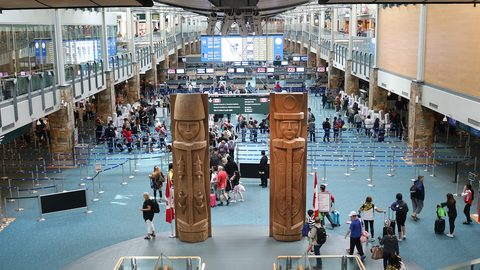 Flying Into London Alone for a Two-Night Weekend
Comparing all five London airports for a solo Friday-to-Sunday trip, with transfer costs, single-room proximity and Sunday return timing.
Flying Into London Alone for a Two-Night Weekend
Comparing all five London airports for a solo Friday-to-Sunday trip, with transfer costs, single-room proximity and Sunday return timing.
-
 London in 48 Hours Alone and What to Cut Without Regret
A solo 48-hour London itinerary that cuts ruthlessly, avoids the three-sights-in-one-day trap, and treats four-day landmarks as reasons to return.
London in 48 Hours Alone and What to Cut Without Regret
A solo 48-hour London itinerary that cuts ruthlessly, avoids the three-sights-in-one-day trap, and treats four-day landmarks as reasons to return.
-
 Best Time to Visit London for a Solo Two-Night Weekend
When to book a solo two-night London weekend, balancing daylight hours, single-room price bands and the Christmas shutdown window.
Best Time to Visit London for a Solo Two-Night Weekend
When to book a solo two-night London weekend, balancing daylight hours, single-room price bands and the Christmas shutdown window.
-
 Getting Around London Alone on a Two-Night Weekend Trip
How to use the Tube, night buses and contactless caps on a two-night solo London trip, including getting back to your room after midnight.
Getting Around London Alone on a Two-Night Weekend Trip
How to use the Tube, night buses and contactless caps on a two-night solo London trip, including getting back to your room after midnight.
-
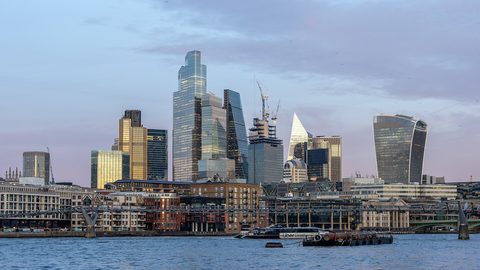 A Solo London Itinerary for Friday Night to Sunday Evening
An hour-by-hour solo London itinerary from Friday evening landing to Sunday evening departure, built around counter seats and single queues.
A Solo London Itinerary for Friday Night to Sunday Evening
An hour-by-hour solo London itinerary from Friday evening landing to Sunday evening departure, built around counter seats and single queues.
-
 The British Museum
Ninety minutes alone in the British Museum, with the timed-entry booking you must make even though it's free, and the Friday late slot that helps.
The British Museum
Ninety minutes alone in the British Museum, with the timed-entry booking you must make even though it's free, and the Friday late slot that helps.
-
 Borough Market
Lunch standing up at Borough Market, alone, on a Friday afternoon before the weekend crush, with a doughnut queue you can actually survive.
Borough Market
Lunch standing up at Borough Market, alone, on a Friday afternoon before the weekend crush, with a doughnut queue you can actually survive.
-
 Tate Modern
The Turbine Hall, the free Blavatnik terrace nobody queues for, and the Friday late opening that suits a solo South Bank evening.
Tate Modern
The Turbine Hall, the free Blavatnik terrace nobody queues for, and the Friday late opening that suits a solo South Bank evening.